Northern Serbia Winter
Long-eared Owl Tour
5 December 2026 to 10 December 2026
Led by David Lindo with Milan Ružić In association with Bird’s Wildlife & Nature


Long-eared Owl Tour
5 December 2026 to 10 December 2026
Led by David Lindo with Milan Ružić In association with Bird’s Wildlife & Nature
“If you don’t see an owl on this trip David will eat his binoculars!”
Free loan of Kowa binoculars is available for the duration of the tour – subject to availability.
Please ask for details.

FULLY BOOKED
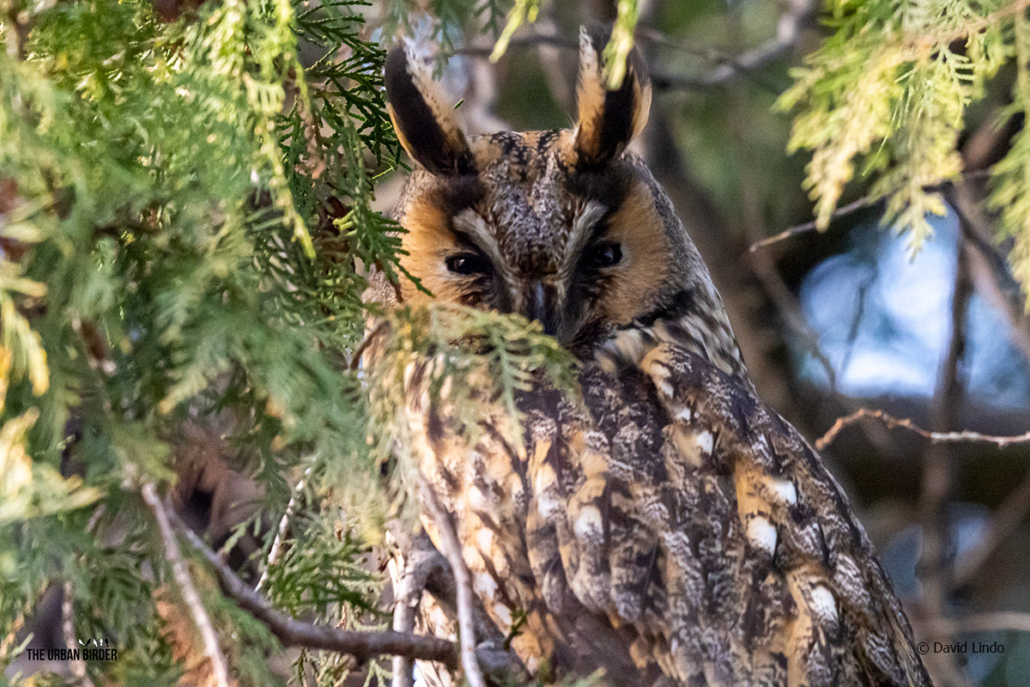
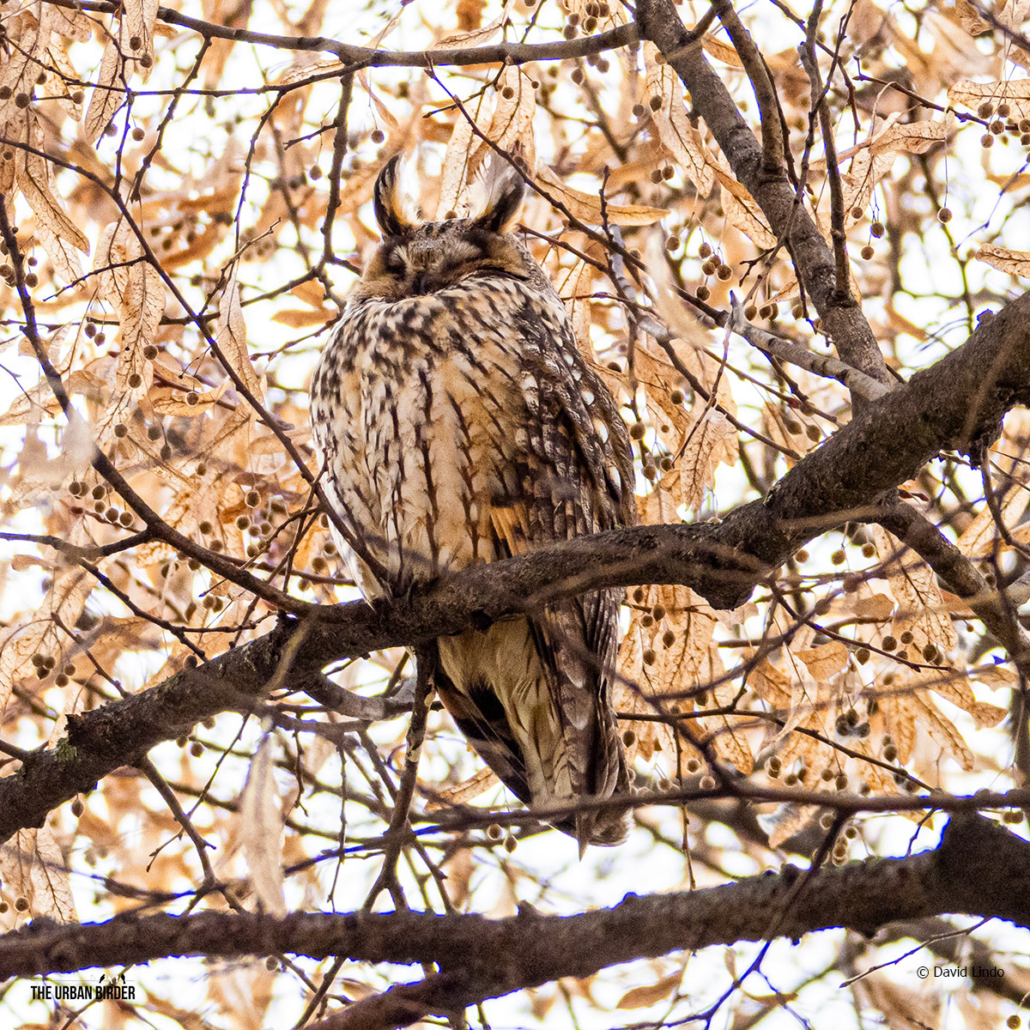
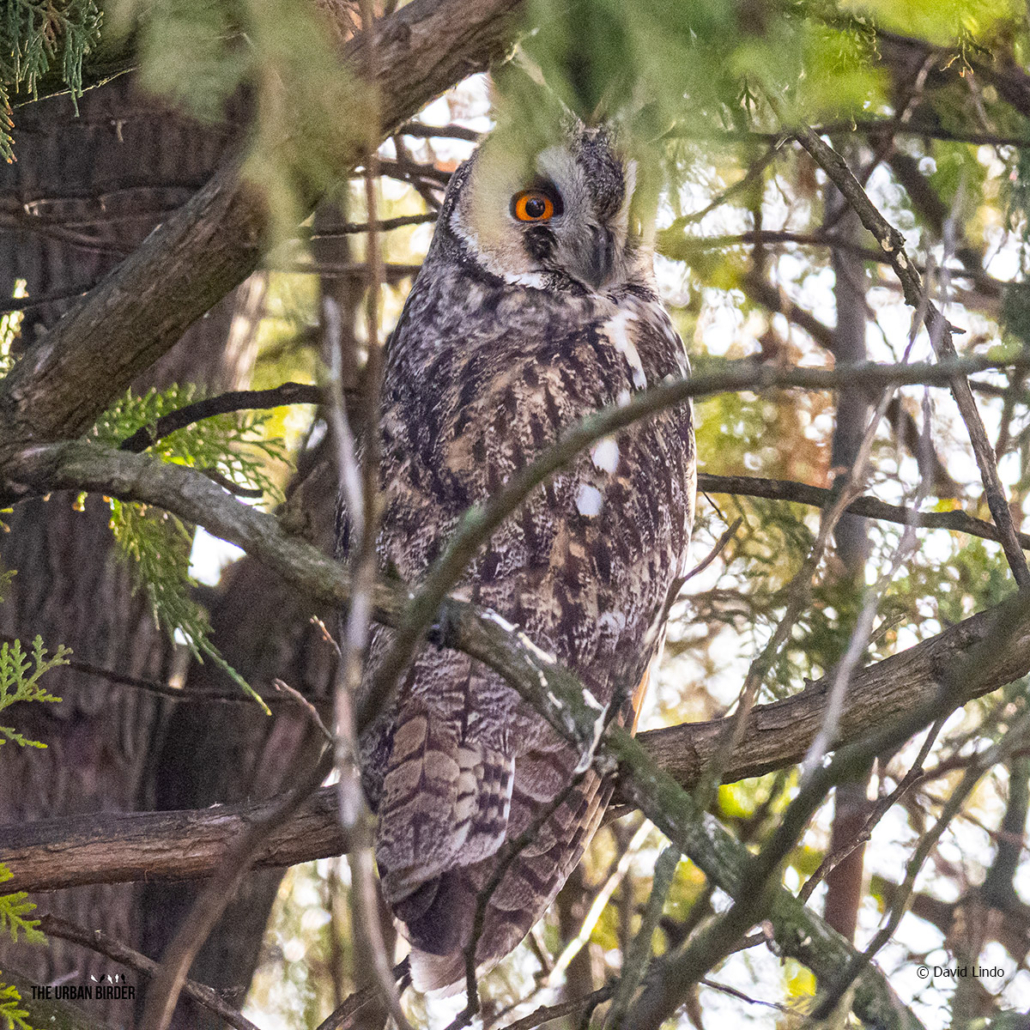
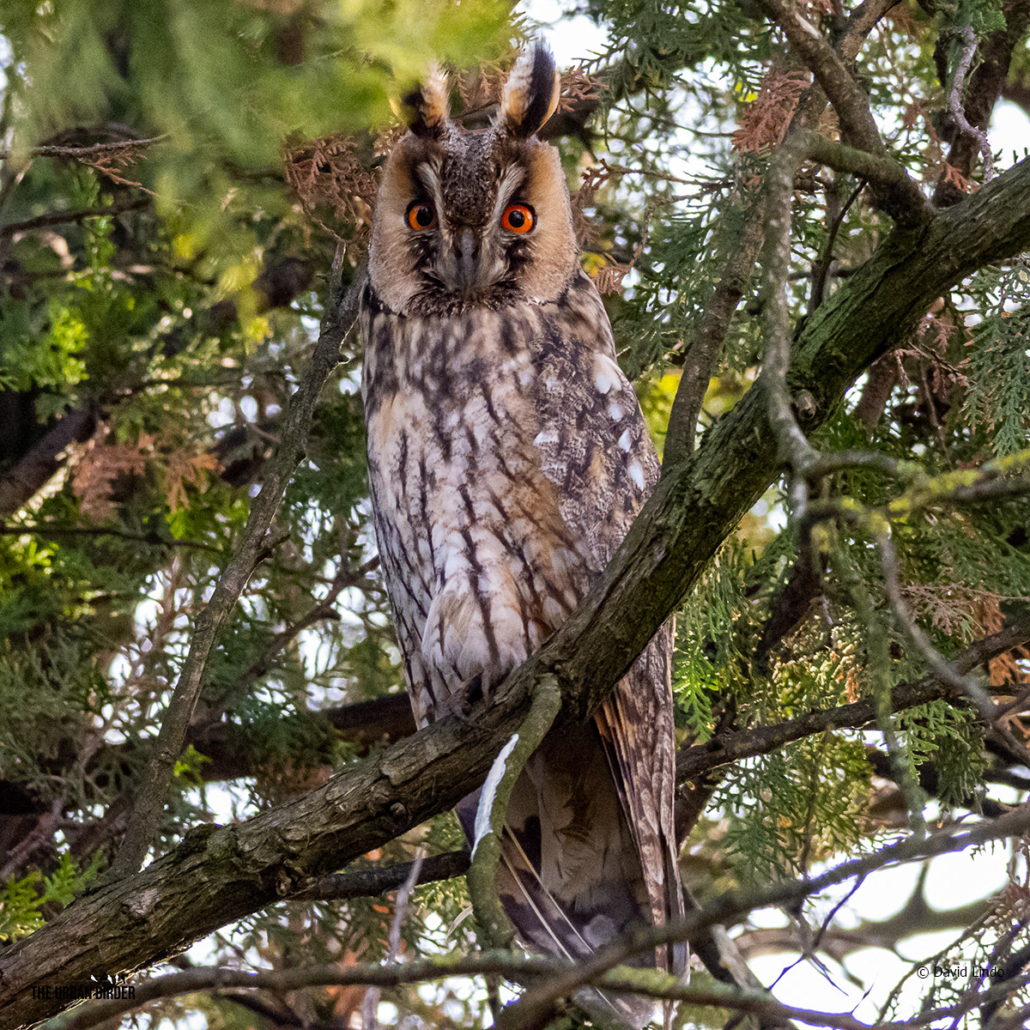
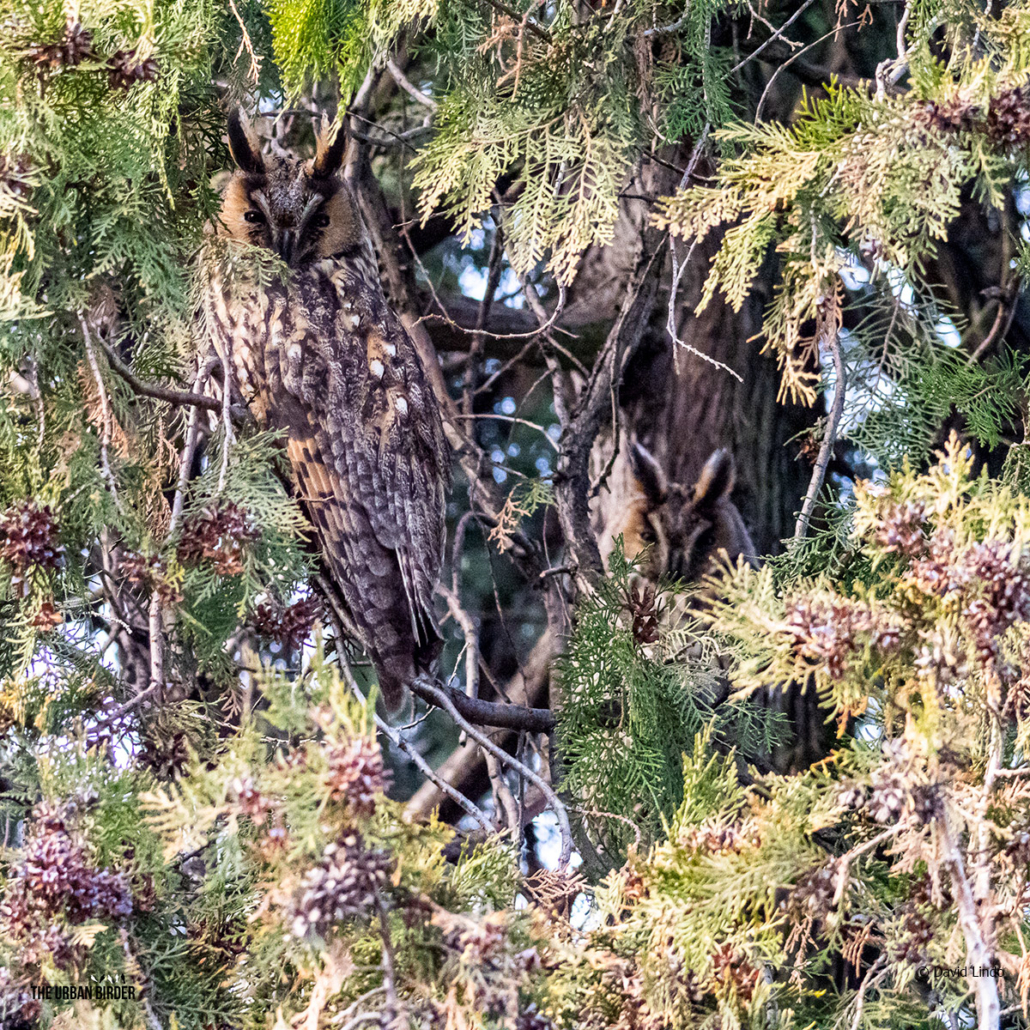
Serbia has rapidly become one of the most talked about birding destinations in Eastern Europe. Why? Because it is officially the best place in the world to see owls. In particular, it is the best place on the entire planet to see Long-eared Owls in unimaginable numbers!
The great thing about this popular trip is that there is very little walking involved. Plus, we will never be too far away from a cup of coffee or thick hot chocolate because most of our birding will be urban based.
We guarantee that you will leave Serbia beaming!
We may see owls from the windows of our hotel and just about anywhere else in the small, picturesque town of Kikinda where we will be based during this exciting short getaway. Our small boutique hotel is situated right in the heart of the owl action. The main square has been declared by the local government as a nature reserve and holds huge gatherings of Long-eared Owls – which can peak at over 800 individuals during some years. Over the ensuing days we will spend our time exploring some of the towns and surrounding countryside looking for owls of several species, Great Grey Shrike, White-tailed Eagle as well as wintering flocks of Common Cranes and Greater White-fronted Geese. There is also the possibility of finding the majestic though sadly endangered Saker Falcon or a wintering and equally rare Eastern Imperial Eagle.
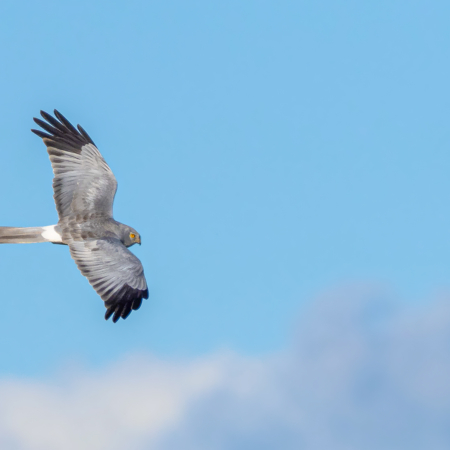
Pygmy Cormorant, Great Egret, Greater White-fronted Goose, Ferruginous Duck, Smew, White-tailed Eagle, Eastern Imperial Eagle, Hen Harrier, Western Marsh Harrier, Eurasian Sparrowhawk, Northern Goshawk, Peregrine, Merlin, Northern Lapwing, Pied Avocet, Eurasian Curlew, Caspian Gull, Yellow-legged Gull, Little Gull, Long-eared Owl, Barn Owl, Little Owl, Short-eared Owl, Black Woodpecker, Syrian Woodpecker, Crested Lark, Water Pipit, Fieldfare, Redwing, Goldcrest, Marsh Tit, Long-tailed Tit (caudatus race), Penduline Tit, Bearded Tit, Eurasian Treecreeper, Great Grey Shrike, Common Raven, Eurasian Tree Sparrow, Brambling and Hawfinch.
NB. The sequence of places visited may alter to take into account changes in the weather and/or the suitability and availability of the habitat and wildlife.
Plan to arrive by the afternoon into Nikola Tesla International Airport (Airport code: BEG) Belgrade, Serbia after which you will be met and transferred to our hotel in the City Center.
Our tour will start with dinner this evening.
Dinner & overnight in Belgrade
Today after breakfast, we will depart Belgrade and make our way towards Kikinda – the Owl Capital of the World. On the way we will stop off at the city of Novi Sad to pick up our charismatic local guide and the Director of BirdLife Serbia, Milan Ružić. We will continue our journey to Kikinda and of course, there will be stops along the way.
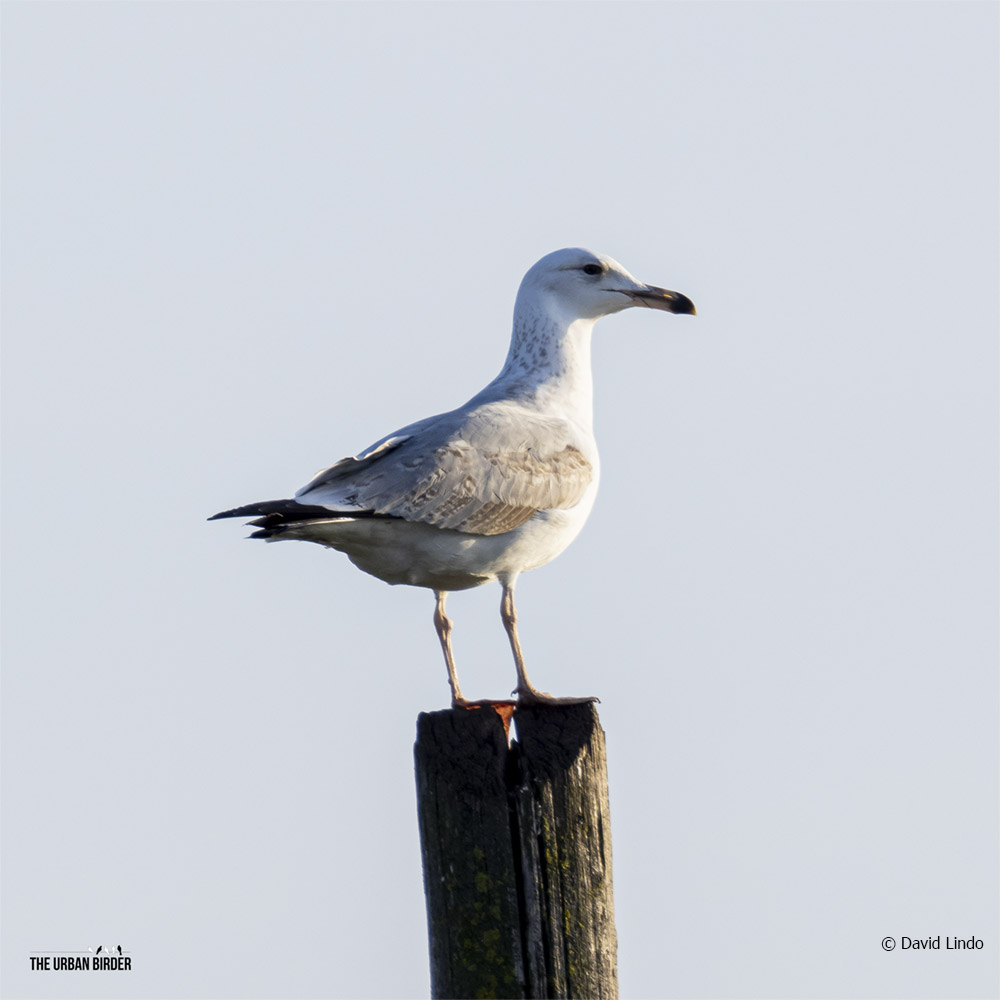
Dependent on water levels, we will bird at a couple of wetland sites where we can see both Great and Pygmy Cormorants allowing for good comparisons while among the gull flocks we will try and find some Caspian Gulls mixed in with the devilishly similar Yellow-legged Gulls. Great Crested Grebe, Common Pochard and Tree Sparrows will be easily seen and while watching the lakes we can search for other ducks that may include Northern Shoveler, Common Pochard, Eurasian Teal, Common Shelduck and possibly something like Smew or Ferruginous Duck. As we keep looking up, we could see skeins of White-fronted and Greylag Geese and perhaps spot our first White-tailed Eagle. Among the reedbeds the ringing call of Bearded Reedlings may draw our attention, and further searching could net us both Penduline Tit and Reed Bunting. After all that excitement we will continue our journey to the small town of Kikinda and possibly our first Long-eared Owls in the few trees right outside the hotel.
Dinner & overnight in Kikinda
Today will be surely one of those days that everyone holds in anticipation!
We will start our morning in Kikinda Square right outside the hotel. The focus will be the Long-eared Owls, and it shouldn’t take us long to locate our first tree with roosting birds. The spectacle of the number of birds can be astounding. Up to 150 Long-eared Owls have been counted in one tree in the town centre and the total number of roosting owls in the town square in winter in a good year can be upwards of 800!
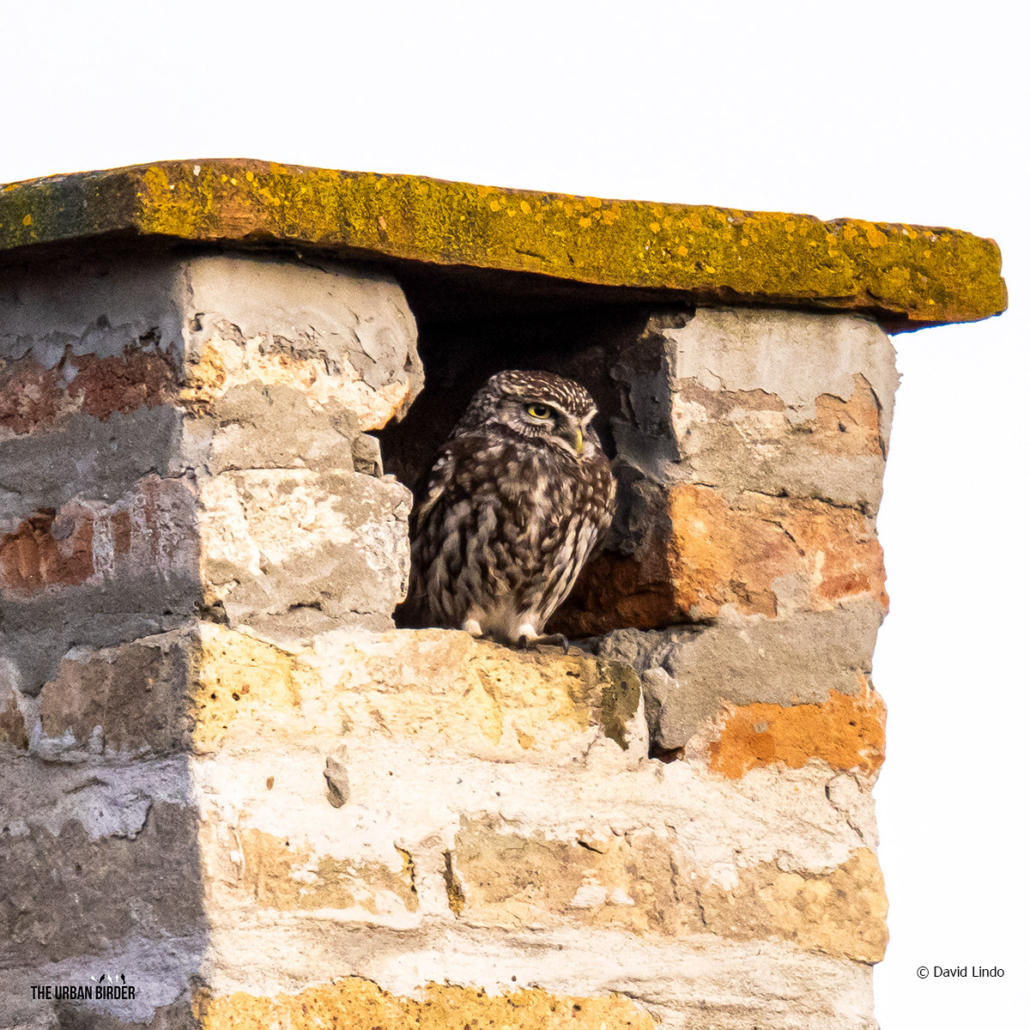
Even in a poor year there are still several hundred to be found on this tour. The birds can be anywhere and everywhere, in the churchyard, in the trees along the main street and in the trees around cafes. The spectacle is incredible and should offer excellent owl watching and photographic opportunities. Once we’ve seen the owls, we will also take in some of the cultural delights and architecture that the town has to offer before visiting a few other sites in the vicinity for yet more Long-eared Owls, plus Little Owl, Syrian Woodpecker, Black Redstart and Hawfinch.
Dinner & overnight in Kikinda
After breakfast, and of course, a check on the owls outside the hotel, we will spend some time in villages with even more Long-eared Owls. We are sure to be distracted by the sights and sounds of Common Cranes and White-fronted Geese flocks traversing overhead and watching the diminutive Black Restarts calling from the rooftops.
Our destination today is Kapetanski Rit Wetlands which is 80km NW of Kikinda. With 179 acres of designated wetland the area is rich source of biodiversity. Here we will look for more views of Pygmy Cormorant, White-tailed Eagle, Hen and Western Marsh Harrier, Great Egret, gulls, waders and both Bearded Tit and Penduline Tit.
Towards the end of the afternoon, we will explore several landscapes for owl species including Long-eared, Short-eared, Little and Barn Owls while also looking in the old trees for Great and Syrian Woodpeckers, Brambling, Hawfinch and anything else that might appear. We will eventually return to Kikinda in time for dinner.
Dinner & overnight in Kikinda
Today, our final day, we will pack up and start heading back to Belgrade via Novi Sad. We will spend part of the day at Carska Bara Nature Reserve, the largest individual bog in Serbia. The entire system consists of three ponds (Carska, Perleska and Tiganjica) connected by the 8 km (5.0 mi) long canal. This protected wetland consists of many smaller bodies of water, including rivers, canals, lakes and ponds, covered with reed beds, willow thickets and rushes and it is known for its colour diversity. Blue clear water, white and yellow salt marsh and brown and green woodlands. There are some 500 plant species registered in the reserve including many rare or protected ones. Around 24 species of fish live here along with amphibians and reptiles making it an ideal hunting ground for waterbirds and raptors. The reserve itself is best known for its abundant birdlife.
Thousands of Greater White-fronted Geese spend December-January each year in Carska Bara, and careful searching may turn up rarities such as Lesser White-fronted Goose or the beautiful Red-breasted Goose. Among the assembled ducks should be Mallard, Eurasian Teal, Northern Shoveler and Eurasian Wigeon and maybe a Ferruginous Duck or Smew. White-tailed Eagles, Western Marsh and Hen Harriers, Merlin, Peregrine, Common Buzzard and Eurasian Sparrowhawk patrol the area. Both cormorant species are present and the fields are sometimes full of Common Cranes. The surrounding bushes, scrub and fields can hold Brambling and other finches, Meadow Pipit, Reed Bunting, Great Grey Shrike and Fieldfare. So, there will be plenty to keep us busy. Later we will return to Belgrade after stopping in Novi Sad in time for our final dinner and to review our highlights.
Dinner in Novi Sad & overnight in Belgrade
Today, you will be transferred to Nikola Tesla International Airport (Airport code: BEG) Belgrade, in time for our international departing flights home.
You may book a flight to depart at any time today, but note our tour finishes with breakfast today.
This trip is suitable for all ages and abilities.
A moderate amount of walking is involved with no uphill treks.
The weather can range from being mild to a bit chilly. It can also be wet so bring waterproof attire and walking boots.
Note that Serbia is not an EU state and as such they still allow smoking in public places such as restaurants.
Collins Bird Guide – Lars Svensson, Killian Mullarney & Dan Zetterström
Currently, there are direct flights to Belgrade from the UK via Air Serbia.
For assistance and peace of mind with booking flights please contact our flight agent Sacha Barbato at Travel Counsellors +44 (0)1603 360 099 — sacha.barbato@travelcounsellors.com
Click on the booking form above to reserve your place on this tour. You will be re-directed to the birdswildlife.com website.
FULLY BOOKED

“We have worked closely with David developing a bird watching tour to Serbia. His knowledge and creativity was second to none and of course, he escorts the tours with much enthusiasm and creativity which has gone down so well with guests on his tours. We look forward to working with the ‘Urban Birder’ in years to come as we continue to develop and expand on our birdwatching tours in Serbia”

“I cannot begin to express how amazing the owls of Kikinda were. Our appetites were whetted by David’s talk but the reality exceeded all exceptions. We were blessed with sunshine that really showed their plumage to perfection and the sheer numbers were breathtaking. Watching their behaviour at dusk was mesmerising. There were of course many other birds and the knowledge shown by both (David and Milan) was impressive and well expressed. The outstanding fact for me was the evident keenness on conservation and education. Good luck in the future.”
“An excellent short trip to Serbia and to Kikinda, the Owl Capital of the World. The Long-eared Owls more than lived up to expectations with amazing numbers roosting in the trees, and very confiding, as used to people! Really good photographic opportunities as well. Birds in northern Serbia also included huge numbers of Common Cranes and other waterbirds and daily views of Hen Harriers as well as Great Grey Shrike. The trip is thoroughly recommended.”
“The Urban Birder’s Serbia holiday was a most enjoyable and enlightening experience.We saw a huge variety of birds in a wide range of habitats. As a novice birder, I appreciated the help and advice from the team guides which enabled me to fully benefit from the birding experience. It has enhanced my knowledge of the conservation of birds and their habitats and has whetted my appetite to do further birding activities. I would definitely recommend this holiday to others.”
“As a novice birder I would recommend this trip to anyone who has never observed birds in the urban setting before. I feel I know so much more about birds and the environment after this wonderful adventure.”